
Your cart
Your cart is empty
Continue shoppingDrawer menu

Last Updated: October 2, 2026
Durable furniture fabrics are upholstery textiles engineered or woven to resist abrasion, fading, staining, and pilling over years of daily use.
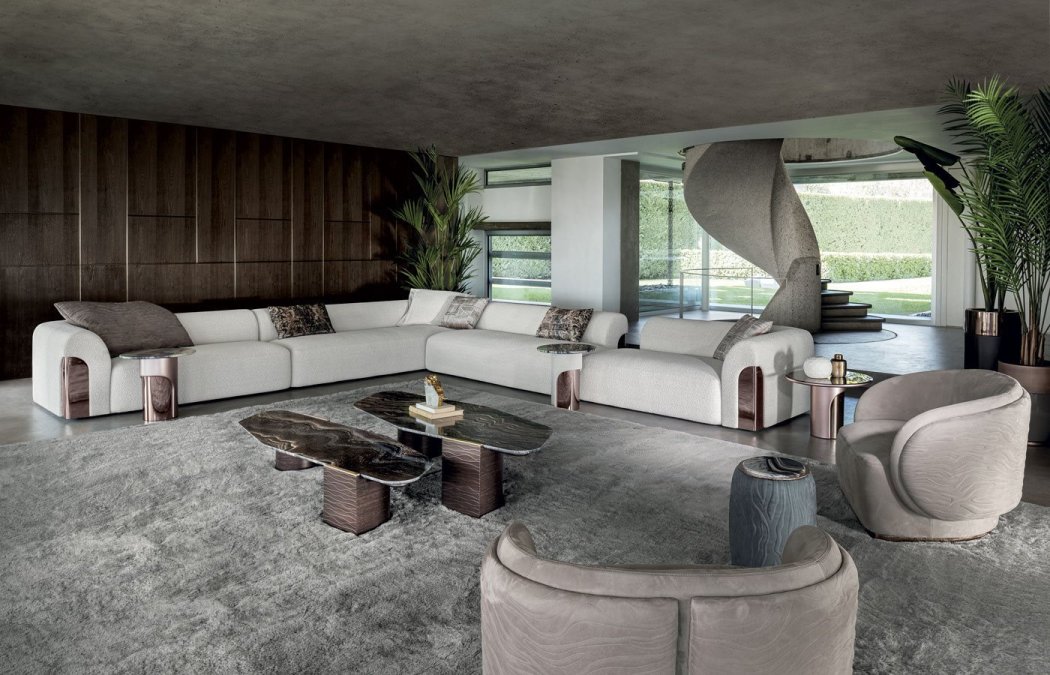
A fabric that survives a quiet guest room can fail in a family den within months. Ask three questions before you touch a swatch: Who sits here daily? Are there claws, crayons, or juice boxes in the picture? Does this room get hours of direct sun? A common mistake is shopping by color and texture first, then discovering the weave pills or fades under real conditions.
Five specifications separate upholstery-grade fabric from decorative cloth:
Fiber content matters, but it is only one input. A tight weave in a mid-range fiber often outlasts a loose weave in a premium one.
Double rub count explained simply: it is the number of back-and-forth strokes a mechanical arm drags across fabric before it shows visible wear. The Wyzenbeek abrasion test is the standard method behind most U.S. ratings, and the Martindale test is its European counterpart. Higher numbers mean the fabric survived more cycles, but the test measures abrasion only, not stains, fading, or snags.
A padded arm rubs fabric under fixed pressure until threads break or the surface fuzzes. Results sort fabrics into rough tiers: light residential use sits at the low end, while heavy-duty ratings suit busy family rooms. A fabric that passes a high double rub count can still stain easily, so treat this number as one signal, not a verdict.
Performance fabric vs natural fiber is not a clean contest. Synthetic fibers like polyester, nylon, and microfiber typically resist stains, fading, and stretching better, while natural fibers like cotton, linen, and velvet bring breathability and a tactile feel synthetics struggle to match. For heavy daily use, a performance blend usually wins; for a low-traffic formal room, natural fiber holds up fine and looks richer.
The difference comes down to polymer structure. Synthetic fibers are extruded as continuous filaments, which means fewer loose ends to pill or fray. Natural fibers are spun from shorter staple lengths, so they abrade at the surface faster but breathe more freely. That trade-off explains why a polyester-cotton blend often outperforms either fiber alone: the synthetic component carries the abrasion load while the natural component regulates temperature and softens the hand.
| Fiber | Pros | Cons | Best For |
|---|---|---|---|
| Polyester | Stain-resistant, fade-resistant, affordable | Can pill, less breathable | Family rooms, rentals |
| Nylon | High tensile strength, resists crushing | Pricier, can feel slick | High-traffic seating |
| Microfiber | Soft hand, strong stain repellency | Traps heat, shows oils | Kids and pets |
| Cotton | Breathable, comfortable, takes dye well | Wrinkles, stains absorb | Low-traffic living rooms |
| Linen | Cool, textured, ages gracefully | Wrinkles, weaker against abrasion | Formal or seasonal rooms |
| Velvet | Luxurious feel, rich color depth | Crushes, shows marks | Accent pieces, bedrooms |
| Olefin | Moisture-resistant, colorfast, inexpensive | Can flatten, lower abrasion ceiling | Outdoor and sunrooms |
Fiber blends often outperform single fibers, combining polyester's durability with cotton's comfort. A common blend ratio is 60/40 polyester-cotton, which balances abrasion resistance with breathability.
Durability and environmental impact pull in different directions. Synthetic fibers last longer but are petroleum-derived and shed microplastics with every wash and wear cycle. Natural fibers biodegrade but often require more water and pesticides to produce, and they wear out faster, meaning replacement sooner. A middle path is choosing natural fibers with third-party certifications like OEKO-TEX Standard 100 or Global Organic Textile Standard (GOTS), which verify limited chemical use.
High double-rub synthetics can feel slick, warm, or slightly plastic against bare skin, especially in humid rooms. Natural fibers feel cooler and softer but wrinkle and show wear sooner. If the furniture is used bare-legged or by people who nap on it, tactile comfort matters as much as abrasion ratings. Request a swatch and sit on it for a few minutes before deciding.
The best upholstery fabrics for pets and kids share three traits: tight weave, low pile, and a stain-resistant finish. Microfiber and tightly woven synthetics lead here because claws snag loose weaves and high-pile fabrics trap hair. Leather and faux leather wipe clean but show scratches, so they suit calm pets better than enthusiastic ones.
Not all tight weaves are equal. A flat woven fabric with a short float (the distance a thread travels over others before going under) resists snags far better than a loose basketweave or a chenille with long floats. Crypton and similar bonded or coated performance fabrics are engineered with a stain-resistant barrier built into the fiber rather than applied as a surface finish, so they do not lose repellency after repeated cleaning.
Fabric Upholstered Sectional Sofa →
Cleaning codes tell you which products are safe: W means water-based cleaners, S means solvent-based only, WS means either, and X means vacuum only. For households with kids and pets, W or WS is the most practical because most spills can be blotted with water and a mild detergent. S-only fabrics require solvent cleaners, which are less convenient and can be harder to find.
Even durable fabrics eventually show damage. The question is whether you can fix it. Tight, flat weaves are easier to patch because a replacement piece blends in without disrupting the pattern. Loose weaves and high-pile fabrics show patches more obviously. Fabrics with a repeating small-scale pattern hide repairs better than large-scale prints or solid colors.
A household with a large dog that digs needs a different fabric than one with a cat that kneads. Digging claws stress the weave; kneading pulls at the surface. For diggers, choose a tightly woven synthetic with a low pile and a bonded finish. For kneaders, a smooth microfiber or a tightly woven performance blend resists surface pulls.
Colorfastness is a fabric's ability to hold its color against light, rubbing, and cleaning. Sun-facing rooms fade untreated fabrics fastest, and fade-resistant dyes plus a protective finish slow that process. Stain repellency comes from factory-applied treatments that make liquids bead rather than soak in. These finishes wear off over time, so reapplication or professional cleaning keeps them working.
Weave density determines how well fabric resists snags, pilling, and penetration by spills. Tighter weaves with shorter floats hold up better than loose, lofty constructions that catch on rings and claws. Texture is a trade-off: smooth, tight fabrics clean easily but can look flat, while nubby textures hide wear but snag more.
Cleaning codes tell you which products are safe: W means water-based cleaners, S means solvent-based only, WS means either, and X means vacuum only. Ignoring the code can set a stain permanently or damage the finish. Maintenance is simple but consistent: vacuum weekly, rotate cushions, and blot spills immediately rather than rubbing.
The biggest mistake is buying on looks alone and ignoring the specs that predict wear. Shoppers also assume a high double rub count guarantees durability, when stain resistance and colorfastness matter just as much. Another frequent error is choosing a light color in a sun-drenched room with no fade-resistant treatment. Finally, many people skip the frame entirely, then blame the fabric when the sofa sags.
At RuchiCollection, our fabric sectionals pair sturdy wood frames with quality upholstery, like the velvet on our Fabric Upholstered Sectional Sofa, so the fabric and the structure hold up together. For a textured, family-friendly option, our boucle pieces offer a tight weave with a warm feel.


Performance fabrics made from solution-dyed acrylic, olefin, or tight-weave polyester typically outperform others. They combine high double rub counts (often 30,000 or more) with stain repellency and fade resistance. Among natural fibers, linen and cotton blends with a protective finish can hold up well, but they generally show wear faster than synthetics in heavy-use homes. The best choice depends on your household: pets, kids, and direct sunlight all shift the answer toward performance weaves.
Double rub count measures abrasion resistance using a standardized test that rubs fabric back and forth under pressure until it shows wear. For residential use, 15,000 double rubs suits light-duty spaces like a formal living room. Family rooms and everyday sofas need 25,000 to 30,000. Homes with pets or kids should aim for 30,000 or higher. Commercial-grade fabrics exceed 50,000 double rubs but may feel stiffer. Always pair the number with stain resistance and colorfastness for a complete picture.
Performance fabric wins on abrasion, stain repellency, and fade resistance, which matters in high-traffic homes. Natural fibers like cotton, linen, and wool offer breathability, tactile richness, and a look that improves with age, but they require more care and show pilling or crushing sooner. A fiber blend often gives the best of both: the hand-feel of a natural fiber with the tensile strength and easy cleaning of a synthetic. Match the choice to the room's use, not a blanket rule.
Steer clear of loose-weave linens, thin cottons, and low double-rub fabrics (under 15,000) for sofas in family rooms or homes with pets. Silk, rayon, and some viscose blends snag easily and stain permanently. Light-colored velvet shows crushing and oil marks. Before buying, check the cleaning code: a 'W' or 'WS' code is easier to maintain than 'S' or 'X'. Also confirm the fabric has a protective finish if the sofa will sit in direct sunlight.
Choosing durable furniture fabrics comes down to matching fiber, weave, and finish to how your home actually lives. RuchiCollection helps you get there with a curated selection of stylish, functional pieces, including boucle and velvet sectionals built on sturdy wood frames, plus Buy Now Pay Over Time options through Synchrony. Get started with RuchiCollection and furnish a space that holds up to real life.


