
Your cart
Your cart is empty
Continue shoppingDrawer menu

Last Updated: October 23, 2026
Quick Summary
How to decorate an apartment on a budget starts with choosing a color palette and layout plan before buying anything, then prioritizing essential furniture, shopping across new and secondhand sources, and layering affordable textiles like rugs and pillows to transform your space.
The foundation of how to decorate an apartment on a budget begins before you buy anything. Pick a color palette first. This shapes every choice that follows.
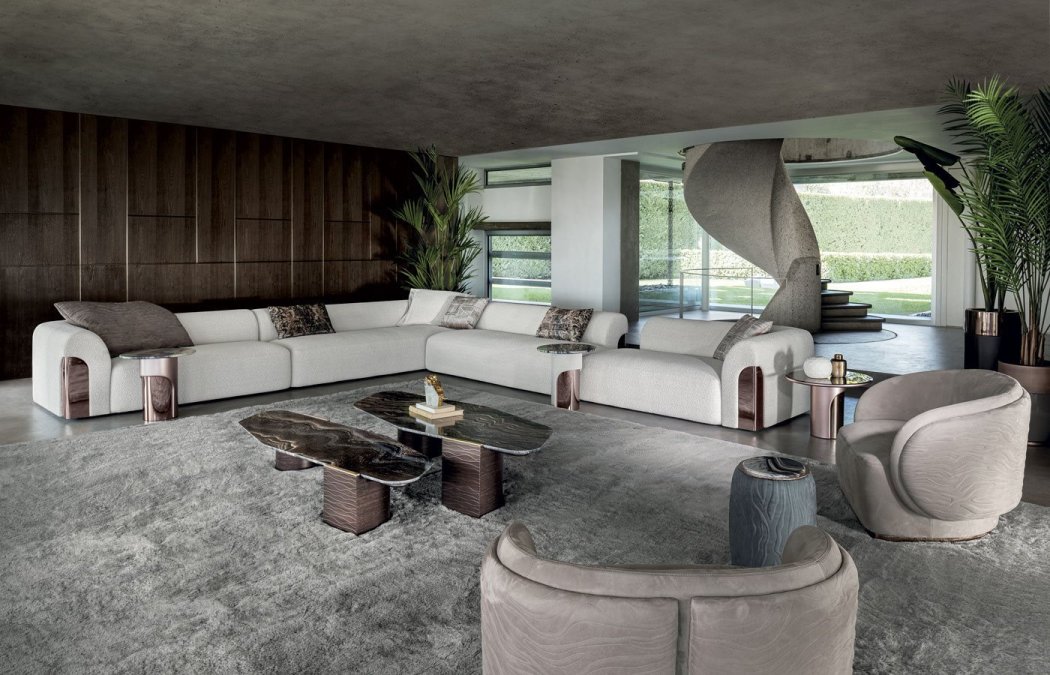
Choose 2-3 main colors and 1-2 accent colors. Neutral bases like white, gray, or beige stretch your budget further because they work with pieces you already own. Add personality with accent colors through affordable textiles and wall art.

Next, sketch your layout. Measure your space and note where natural light enters. Good layout planning prevents costly mistakes. You won't buy furniture that doesn't fit or clash with your existing setup.
Small spaces demand smart choices. Every piece needs to earn its place by serving a purpose or adding visual interest.
Vertical storage is your secret weapon in tight quarters. Instead of spreading items across the floor, move them up the walls.
Floating shelves work well for this. They hold books, plants, and decorative items without taking up floor space.

Wall-mounted organizers, hooks, and pegboards are budget-friendly alternatives. They cost less than furniture and transform dead wall space into functional storage.
Multipurpose furniture stretches your budget and your square footage. A storage ottoman serves as seating, a footrest, and hidden storage. A desk that doubles as a dining table saves money and space. A bed with built-in drawers eliminates the need for a separate dresser.
Look for furniture with clean lines and neutral colors. These pieces adapt to different styles as your taste evolves, protecting your investment over time.
Start with the basics before adding decor. Every room needs foundational pieces that define its function.
For a bedroom: bed, nightstand, and storage for clothes. For a living room: seating, a table for surfaces, and storage. For a kitchen: adequate counter space and storage solutions.
Once essentials are in place, add accent pieces gradually. This prevents overspending on decor before you have functional furniture.
Create a priority list ranked by need:
Your budget stretches further when you shop strategically across multiple sources.
New furniture from budget-conscious retailers offers consistency and warranty protection. RuchiCollection provides stylish, affordable options without sacrificing quality.
Secondhand shopping through Facebook Marketplace, Craigslist, and local thrift stores yields hidden gems at steep discounts.
Estate sales and moving sales happen year-round.
Rental-friendly pieces matter if you don't own your apartment. Avoid permanent wall installations.
Renters face constraints that homeowners don't: every decorating decision is a risk calculation against a security deposit. Most guides stop at "use Command strips." That advice fails the moment a strip pulls paint off a poorly primed wall or a shelf exceeds its weight rating. Here is the renter-first version.
The goal is reversible decoration. Every fastener, adhesive, and hanging method should come off cleanly at move-out. Match the method to the wall and the load:
Protect floors and fixtures too. Felt furniture pads under legs prevent hardwood scratches. A $10-15 pack of pads is cheaper than a floor repair charge. Use rugs under rolling chairs and planters. For curtains, choose tension rods or ceiling-track systems that don't require drilling into window casings.
Before you hang a single frame, photograph and video every wall, floor, and fixture. Open cabinets and closets. Capture existing nail holes, scuffs, and stains with a dated timestamp. Email the photos to yourself and your landlord so the record is time-stamped.
At move-out, reverse every modification. Remove adhesive strips slowly, parallel to the wall, not outward. Use a hair dryer on low to soften adhesive on stubborn strips.
DIY projects add personality while keeping costs low. You control the final look and invest your time instead of money.
Paint accent walls if your lease permits. A single wall in a bold color transforms a room for the cost of paint and brushes.
100% Cotton Modish Cushion Covers →
Create gallery walls with affordable frames. Mix frame styles and sizes for visual interest.
Make your own wall art by stretching fabric over wooden frames. Choose textiles that match your color palette.
Stencil patterns onto walls using adhesive stencils and removable paint. Geometric patterns or nature motifs add visual interest in minutes.
Lighting transforms mood and functionality. Layered lighting, combining overhead, task, and accent lighting, makes small spaces feel larger and more inviting.
Replace harsh overhead lights with softer options when your lease allows.
Table lamps on shelves or side tables create pools of light that make spaces feel cozier.
Avoid relying solely on overhead lights. They flatten small spaces visually. Layered lighting creates depth and makes apartments feel more intentional.
Textiles are the fastest, most affordable way to transform a space.
Area rugs define spaces and add softness underfoot.

Throw pillows refresh sofas and beds instantly. Mix solid colors with patterns.
Curtains frame windows and control light. Affordable options from budget retailers work well. Sheer curtains soften natural light while maintaining privacy.
Blankets draped over sofas add coziness and color. They're functional and decorative, serving double duty in small spaces.
Budget-conscious decorating fails for one reason: there is no number attached to the plan. "Set a budget" is not a strategy. A realistic move-in decorating budget ties every purchase to a category cap and a timeline, so you know what to buy now and what to defer.
Start with a total number you can spend without touching emergency savings or carrying a credit card balance. A common pattern among first-time renters is to split that total across four buckets:
These percentages are starting points, not rules. Adjust based on what you already own. If you're moving from a furnished situation, shift more toward textiles and lighting; if you're starting from scratch, furniture dominates.
Put real numbers against each line. A queen bed frame and mattress can run $400-$900 new at budget retailers, or $150-$400 secondhand. A sofa ranges from $300-$800 new to $100-$350 used.
A move-in budget is rarely spent in one weekend. A practical sequence:
This phasing prevents the most common budget mistake: spending the decor bucket before the furniture bucket, then living with a beautiful gallery wall and nowhere to sit.
Use a simple spreadsheet or a free budgeting app with columns for item, category, estimated cost, actual cost, and status (needed / wanted / purchased).
Set a per-category cap and stop when you hit it. If you overspend on a sofa, the textile budget absorbs the overage, not your savings.
Shop sales on a calendar, not on impulse. End-of-season clearance, back-to-school sales, and major holiday weekends are predictable discount windows.
Apply a 7-day rule to any non-essential purchase over $50. Save the listing, set a reminder, and revisit it a week later. If you still want it and it fits the category cap, buy it. Most impulse decor purchases fail this test.
A decorating budget works when it has a total, category caps, a purchase sequence, and a tracking habit. Phase essentials first, textiles second, decor last, and let the spreadsheet, not the sale, decide what you buy.
Start with foundational pieces: a bed frame, seating, and storage. These room essentials provide comfort and function before adding decor. Prioritize multipurpose furniture that serves multiple needs. Once basics are in place, add textiles like area rugs and cushion covers to define spaces and add warmth without major expense.
Use rental-friendly apartment decor strategies: removable wallpaper, adhesive hooks, and freestanding shelving instead of wall mounting. Layer area rugs to protect floors, use temporary lighting solutions, and rely on movable accent pieces. Avoid paint, nail holes, and adhesives that damage walls. Focus on textiles, cushion covers, and temporary wall art that won't affect your security deposit.
Shop thrift stores, Facebook Marketplace, and local consignment shops for unique pieces at 50-70% off retail prices. Inspect items for structural integrity and cleanliness before purchasing. Mix secondhand finds with affordable new pieces from retailers like RuchiCollection to create a curated look. Secondhand sourcing strategies help you stretch your budget while building a functional, personalized space with character.
DIY apartment decorating ideas include creating gallery walls with affordable frames, adding removable decals, displaying plants, and using throw pillows and cushion covers to refresh existing furniture. Rearrange furniture to optimize layout. Paint a small accent wall if permitted. Use mirrors to reflect light and create visual depth. These personalization methods cost under $100 but dramatically transform your space's feel.


