
Your cart
Your cart is empty
Continue shoppingDrawer menu

Last Updated: October 12, 2026
Learning how to finance home decor purchases starts with one question: is this a movable piece or a permanent change? That answer decides which borrowing option makes sense.
The workflow below takes about 15 minutes. It saves far more than that.
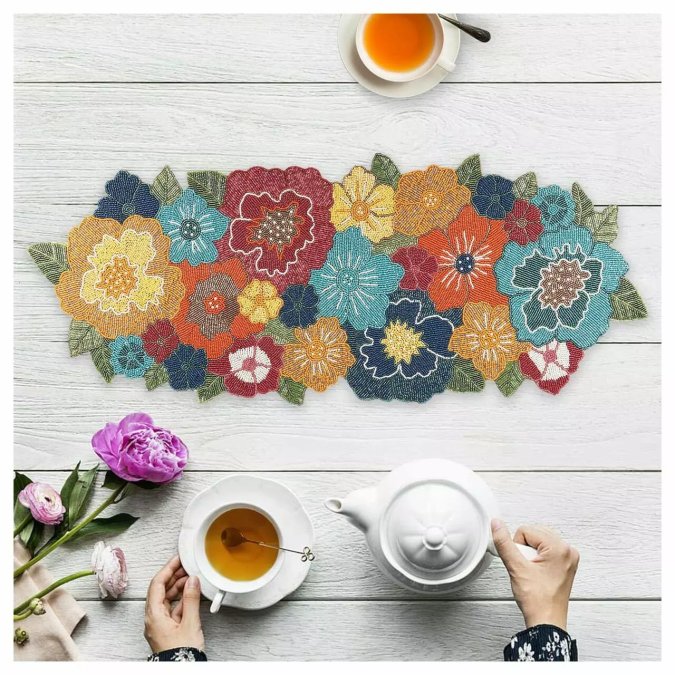
Movable decor includes anything you can take with you: furniture, rugs, lamps, cushions, art. Fixed renovations are permanent: new flooring, built-in shelving, a kitchen refit. Lenders treat them differently, a home equity loan suits a renovation, while a personal loan or store plan suits a sofa.
Start with a monthly payment you can cover without touching savings. Then work backward to your total budget.
A simple rule: keep total decor debt under 10% of your monthly take-home pay. If you earn $4,000 a month, that caps payments near $400.
Furniture financing options fall into three buckets. In-store plans are the simplest, store cards work if you shop that retailer often, and lease-to-own helps people with damaged credit but costs the most. Here is how they compare:
| Option | Best For | Typical Catch |
|---|---|---|
| In-store financing | One big purchase | Tied to that retailer |
| Store credit card | Repeat shoppers | High ongoing APR |
| Lease-to-own | Limited credit | Highest total cost |
In-store financing usually runs through a partner lender like Synchrony: apply at checkout, get a fast decision, pay monthly, but the plan only works at that store. Store cards offer perks and rewards, but once a promo period ends the rate jumps, so pay in full before that date.
At RuchiCollection, our Buy Now Pay Over Time option runs through Synchrony. You get flexible payments on cushions, curtains, and larger pieces without a separate loan application.
A personal loan for furniture gives you cash to spend anywhere, that flexibility is the whole point. You borrow a set amount, get a fixed rate, and repay over a set term, with rates based on your credit score and history.
The trade-offs are real: you pay interest from day one, approval depends on income and credit, and the loan shows up on your credit report.
0% APR furniture financing sounds free. Sometimes it is, often it is not, and the difference between the two versions of "0%" is where most decor shoppers lose money. Two distinct products hide behind the same headline:
Most store-card and retailer promos are deferred-interest. The paperwork usually says "interest will be charged to your account from the purchase date if the promotional balance is not paid in full within the promotional period." That sentence is the whole game.
Say you finance a $1,200 sectional on a 12-month deferred-interest plan with a 26.99% regular APR, paying $100 a month.
That $60 shortfall can cost five times its own value. The minimum payment on a deferred-interest plan is a trap: it is often calculated to leave a small balance at the end of the promo.
This is the part almost no guide covers, and it matters most for online decor orders.
A promotional plan makes sense when you can clear the balance comfortably inside the window, for example, a $600 purchase on a 6-month plan with $100 monthly payments you already budget for. It stops making sense when the required payment exceeds what your budget can absorb, because that is when shoppers pay the minimum and drift past the deadline. If hitting the payoff date means stretching, a shorter-term personal loan at a known fixed rate is often cheaper than gambling on a deferred-interest deadline.
Sequined Plush Cushion Cover Set →
Home equity products are the most powerful financing tool on this list, and the most dangerous for decor, because they are secured by your house. That fact should drive the decision more than the interest rate. These products are built for fixed renovations, not movable decor: a sofa, rug, lamp, or set of cushions can be repossessed or returned; your home cannot.
| Product | How it works | Rate type | Typical closing costs | Best fit |
|---|---|---|---|---|
| Home equity loan | Lump sum, fixed monthly payment over a set term | Fixed | Yes, often a few hundred to over a thousand dollars | One-time, fixed-scope renovation |
| HELOC | Revolving line you draw from during a draw period, then repay | Variable | Often low or none at opening, but fees can apply | Multi-phase projects over months or years |
| Cash-out refinance | Replaces your existing mortgage with a larger one; you receive the difference in cash | Fixed or adjustable, depending on the new loan | Yes, typically the highest of the three | Large remodels where the rate on the new first mortgage also makes sense |
Closing costs eat the advantage on small projects. A home equity loan or cash-out refinance carries appraisal, title, and origination costs.
HELOC rates move. A HELOC is tied to an index, so payments change as rates change.
Your home is the collateral. Falling behind on a personal loan damages your credit; falling behind on a home equity product can lead to foreclosure.
Home equity lenders typically look for a credit score in the mid-600s or higher, a debt-to-income ratio under roughly 43%, and at least 15-20% of your home's value remaining after the new loan. The process includes an application, income verification, an appraisal in many cases, and underwriting, expect weeks, not days, from application to funding. That timeline alone rules these products out for a spontaneous decor purchase, and for movable decor they usually should not be the answer at all.
Budgeting for home decor means looking past the price tag. Add these to every purchase:
Then check the credit impact. Every application triggers a credit check, and too many in a short window can lower your score. Financing also raises your debt-to-income ratio, a new $200 payment can push a mortgage or car loan application into the "no" pile.
Approval comes down to four things lenders weigh before saying yes:
Pre-qualification lets you compare offers without a hard pull. If your credit is limited, lease-to-own or a secured option may be the only path, they cost more, but they build payment history.
At RuchiCollection, our Buy Now Pay Over Time option gives budget-conscious shoppers a flexible path. Pair it with a few of our cushion covers, like the Sequined Plush Cushion Cover Set, and you can refresh a room without draining savings.

It depends on the amount and your timeline. A credit card works well for smaller decor buys you can pay off within a month or two, especially if you have a 0% introductory APR. Personal loans for furniture make more sense for larger purchases because they come with fixed rates and set repayment terms, so your monthly payment stays predictable. Compare the annual percentage rate on each before deciding.
Read the fine print on four things: the annual percentage rate, the repayment term, whether the 0% APR is deferred interest (meaning you owe back interest if you do not pay in full by the deadline), and any origination or late fees. Also confirm whether the lender runs a hard credit check, which can lower your credit score temporarily. Ask for the total cost of the purchase, not just the monthly payment.
Yes, but your options shrink and costs rise. Lease-to-own programs and some in-store financing plans approve buyers with lower credit scores, though you typically pay more overall and may not own the item until the lease ends. A secured credit card or a co-signer can improve your approval odds on a personal loan. Pre-qualification lets you see estimated rates without a hard credit check.
Every new loan or credit line adds to your debt-to-income ratio, which lenders use to decide whether you can handle more borrowing. A hard credit check from a loan application can ding your score by a few points, though multiple rate checks within a short window usually count as one inquiry. Making on-time payments builds positive credit history over time, but missing one can hurt your score for months.
Decorating a home should feel exciting, not stressful. The right financing plan turns a big purchase into manageable monthly payments. RuchiCollection offers flexible Buy Now Pay Over Time options through Synchrony, a curated selection of affordable home goods, and a women-owned team that gets it. Browse our collection and start building the space you actually want.


