
Your cart
Your cart is empty
Continue shoppingDrawer menu

Last Updated: October 13, 2026
The biggest shift in modern home decor is a move away from cold, clinical spaces toward rooms that feel lived in. For 2026, that means warm minimalism, natural materials, and pieces with a story. This guide from RuchiCollection breaks down the modern home decor trends for in 2026 that are actually worth adopting, plus how to shop for them without blowing your budget.
Comfort-led minimalism is the defining idea here. It keeps the clean lines and uncluttered feel of modern design but swaps hard, sterile surfaces for soft curves, layered textures, and cozy seating. Think less showroom, more sanctuary.
A common mistake is treating minimalism as an excuse to buy nothing. In practice, it is about buying fewer, better pieces that carry warmth on their own.
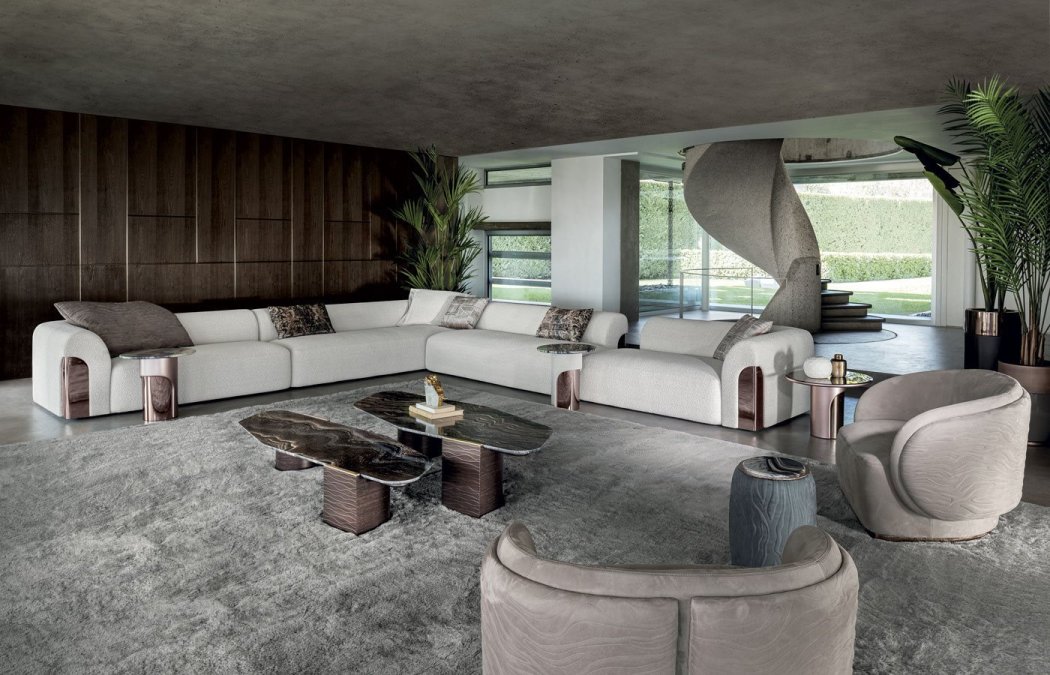
The 2026 home decor color story is earthy and grounded. Clay, taupe, and soft greige are replacing stark white and cool gray as the base palette. These warm neutrals work as a backdrop that makes natural materials and vintage accents feel intentional rather than random. The difference between a room that looks designed and one that looks unfinished usually comes down to undertone control and repetition, not the specific shade you pick.
Warm neutrals are not interchangeable. A greige with a green undertone reads cooler and more modern; a greige with a red or yellow undertone reads softer and more traditional. Clay leans orange-brown, taupe leans gray-brown, and soft greige sits between gray and beige. The practical test is to hold a paint chip or fabric swatch against your existing flooring and trim in daylight, then again at night under your actual bulbs. A color that looks balanced at noon can turn pink or muddy after dark.
Most designers recommend sampling at least three shades per wall and living with them for a full day before committing. Paint samples are inexpensive relative to the cost of repainting, so this is the cheapest step in the entire process.
The same palette behaves differently depending on the room and the light it receives.
Pair a soft greige wall with stone or clay tones in your accessories. Layered textures in the same color family, like a linen cushion against a velvet sofa, add depth without adding visual noise. The goal is a palette that feels collected rather than matched.
Cool gray and stark white are not disappearing, but using them as the dominant base in 2026 works against the warmth the rest of the trend cycle is moving toward. If you already have cool gray walls, you do not need to repaint. Warm the room with wood tones, clay accessories, and warmer lighting instead. A 2700K to 3000K bulb temperature will do more for a cool-gray room than a new paint color.
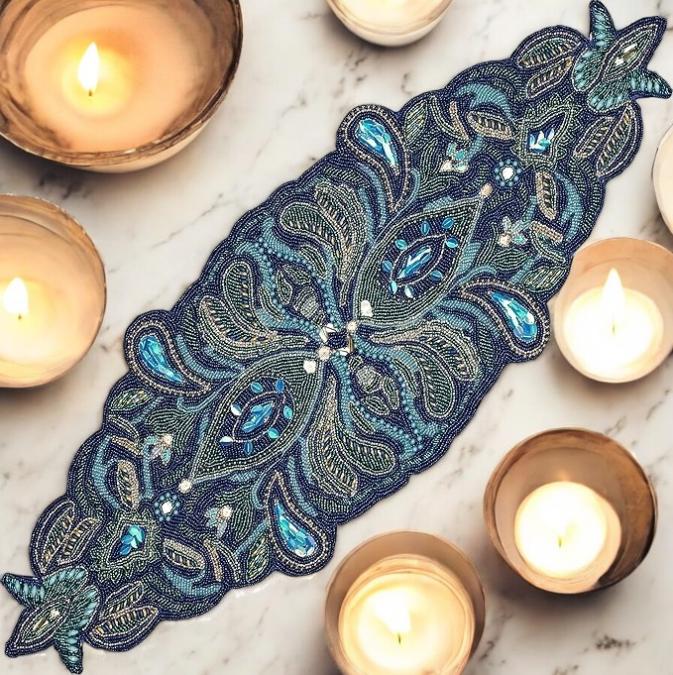
Modern cottage style decor blends nostalgic, vintage furniture with clean contemporary lines. The goal is character-rich interiors that avoid cookie-cutter design. A vintage accent, like a Murano glassware piece or an aged wooden stool, gives a modern room a sense of history.
Artisan craftsmanship and bespoke details matter more than ever. Hand-finished pieces signal personal expression, which is central to how people are decorating in 2026.
Natural materials and tactile finishes are the quickest way to add warmth. Reach for stone, clay, wood, and linen over glossy synthetics. A Minimal White Spiral Ceramic Vase in ceramic and porcelain is a simple example: its bright white finish blends with any living room decor, and the spiral shape adds a tactile, eye-catching detail.

Soft curves and cozy seating define the comfort factor in 2026 interiors. Rounded coffee tables, curved armchairs, and plush sofas are replacing sharp, boxy silhouettes. A Modern Velvet Wooden Sofa Set in velvet fabric with medium-density foam filling and a wooden frame delivers that soft, cozy feel, and it arrives fully assembled.
The comfort factor also shows up in lighting. A Modern Ceramic Table Lamp Set of 2 brings warmth to end tables and nightstands, with a linen shade and a 60-watt bulb capacity.
Affordable home decor updates depend on knowing where to spend and where to save. Start with the pieces you touch and see every day: seating, lighting, and rugs. These carry the most visual weight. The sections below break the 2026 trends into three budget tiers and give you an order of operations so you can introduce a trend without replacing an entire room.
If you only do one thing, change the lighting. Swapping cool-white bulbs for warm ones and adding a single table lamp changes how every other surface in the room reads. If you do two things, add a rug. A rug anchors a seating area, absorbs sound, and covers flooring you may not be able to change. If you do three things, add texture through textiles, cushions, throws, curtains, before you buy any new furniture.
Minimal White Spiral Ceramic Vase →
A common pattern is to spend on the pieces that are hardest to replace later and save on the pieces you will want to swap seasonally. Seating and rugs fall into the first group. Vases, cushions, and small art fall into the second.
Cost ranges below reflect typical retail pricing for mass-market and mid-market home decor. Actual prices vary by brand, size, and material.
| Tier | Typical Spend | What It Buys | Best First Move |
|---|---|---|---|
| Starter | Under $100 | Vases, cushions, throws, warm bulbs, small wall art | One ceramic vase and a set of warm bulbs |
| Mid-tier | $100-$500 | Area rugs, table lamps, accent chairs, curtains | A rug sized to the seating area |
| Splurge | $500+ | Sofas, sectionals, large case goods, custom upholstery | Seating you will keep for years |
A starter-tier update can visibly change a room for the price of a single mid-tier accessory. The mistake is spending the starter budget across five small items instead of one piece that anchors the space.
Renters can adopt these trends without permanent changes. A Geometric Patterned Polyester Floor Rug defines a zone in a small apartment and has a non-slip bottom. For walls, a Modern Golden Design Metal Wall Art hangs with a single nail and adds an artisan touch. Removable adhesive hooks and tension rods let you hang curtains and art without drilling, and they come out cleanly at move-out.

If your lease allows paint, a single accent wall in soft greige is the highest-impact reversible change available. If it does not, prioritize textiles and lighting, which travel with you to your next place.
Natural materials look warmer but ask more of you. Linen wrinkles and needs gentle washing. Wool rugs shed for the first few months and should be rotated to wear evenly. Solid wood needs occasional oiling and protection from standing water. Synthetic blends and performance fabrics resist stains and fading but read cooler and less tactile. If you have pets or young children, a performance-fabric sofa with a wool-blend rug is a reasonable compromise between the 2026 look and daily life.
Vintage and secondhand pieces are often the most sustainable option because they extend the life of furniture that already exists. Inspect joints, upholstery, and any odor before buying, and budget for reupholstery if the frame is solid but the fabric is not.
Before you buy into any 2026 trend, ask whether it will still work in your home in three years. Warm neutrals, natural materials, and comfortable seating are design principles with long track records. A specific viral color or a novelty shape is a fad. Spend your splurge budget on the principles and your starter budget on the fads you want to try.
Cold, all-white rooms are on the way out. So are matching furniture sets that leave no room for personal expression. The 2026 decor forecast favors layered, character-rich interiors over anything that looks factory-ordered.
Trend longevity matters more than trend adoption. A vintage accent you love will outlast a viral color of the moment. Buy for the room you actually live in.
The challenge with any decor forecast is avoiding a home that looks like a catalog. The fix is to anchor trends in pieces that reflect your own style. At RuchiCollection, our curated selection of furniture, lighting, and decor is built for exactly that, with competitive pricing and Buy Now Pay Over Time options through Synchrony. Browse our modern home goods and start with one piece that makes a room feel warmer.
Warm minimalism, natural materials, and vintage accents lead the way. Expect earthy color palettes like clay and taupe, soft curves in furniture, and a focus on personal expression over cookie-cutter design. Artisan craftsmanship and tactile finishes also shape the look, making spaces feel collected rather than mass-produced.
Clay, taupe, and soft greige dominate. These warm neutrals replace cool grays, creating a cozy base for layering. Pair them with stone, chocolate brown, and muted greens. The goal is a warm color palette that feels inviting, not sterile. You can introduce these shades through cushion covers, rugs, or a ceramic lamp base.
Start with affordable home decor updates like swapping cushion covers, adding a geometric area rug, or hanging metal wall art. These changes cost less than new furniture and shift the room's mood instantly. Focus on one zone at a time. A new table lamp set or a ceramic vase can refresh a side table without major spending.
Yes, modern cottage style decor remains strong. Its mix of vintage furniture, natural materials, and cozy textures aligns with the 2026 push for comfort-led interiors. Look for linen, wood, and artisan details. The style works in small spaces and rentals because it layers character without requiring structural changes.


