
Your cart
Your cart is empty
Continue shoppingDrawer menu

Last Updated: October 7, 2026
The fastest way to make mixing modern styles look intentional is to lock in one color story before you buy a single piece. Mixing modern styles works when every room shares the same base, even if the furniture eras don't match.
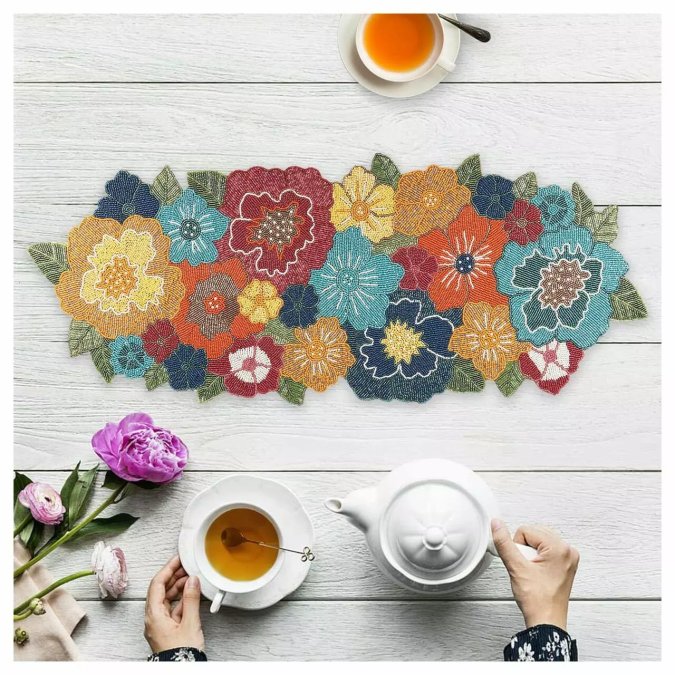
This guide from RuchiCollection covers the full process, from palette to placement.
Start with two or three base neutrals: white, warm gray, oatmeal, or soft black. Then pick one accent color and repeat it in every room. A navy pillow in the living room becomes a navy vase in the bedroom.

Base neutrals do the heavy lifting. They cover walls, big furniture, and rugs.
Repeat your accent at least three times per room. A throw, a lamp base, a framed print. That repetition is what makes an eclectic mix read as a curated look instead of a collection of leftovers.
The basics of color theory from the Smithsonian's Cooper Hewitt design museum explain why limited palettes feel calmer to the eye.
Balancing interior design styles means giving one look clear control and letting the second style play a supporting role. Without that hierarchy, rooms feel chaotic.
Keep roughly 80% of a room in one dominant style and 20% in the second. A modern room with two vintage chairs feels collected. A 50/50 split feels like a showroom gone wrong.
Mixing textures in home design is what stops a modern room from feeling cold. Flat surfaces everywhere read as a waiting room. Contrast creates warmth.
Aim for three material families in every room:
Our Modern Velvet Wooden Sofa Set pairs soft velvet with golden metal legs and a wood frame, so it hits all three at once. You can see the full set here: Modern Velvet Wooden Sofa Set.

Every mixed room needs one anchor piece that the rest of the design answers to. Without it, the eye has nowhere to land.
Choose the piece you want people to notice first. Then build outward.
A marble-topped table like our Modern Marble Rectangular Coffee Table works as an anchor because the white top and chrome base already mix two finishes.

Scale is the number one reason online furniture orders disappoint. A sofa that looks right on a screen can swallow a small room. Proportion is what separates a mixed room that feels curated from one that feels crowded, and it is entirely measurable.
Before you buy, run these checks with painter's tape and a tape measure:
Tape the footprint on the floor before ordering. A piece that is too large cannot be fixed with styling, and returns cost time and money.
Visual weight is how heavy a piece feels to the eye, and it has nothing to do with actual pounds. Dark colors, large solid masses, and shiny finishes all read as heavy.
Balance a heavy piece with a light partner nearby:
A common pattern is to place all the heavy pieces on one side of a room, which makes the space feel like it is tipping. Spread visual weight across the floor plan instead.
If a piece already feels wrong, you can often correct it with styling rather than replacement:
Measure first, buy second, and style third. That order prevents most of the scale problems people try to solve after delivery.
Affordable modern decor for living rooms comes down to spending big on the pieces you touch and saving on the pieces you only see.
Modern Velvet Wooden Sofa Set →
Prioritize like this:
| Priority | Spend Level | Examples |
|---|---|---|
| Seating | High | Sofa, main chairs |
| Tables | Medium | Coffee table, side tables |
| Texture | Low | Rugs, throws, pillows |
| Wall decor | Low | Prints, metal art |
Rugs and wall art give you the biggest style shift per dollar. Our Polyester Non Slip Rug for Living Room starts at $84 and comes in five sizes, so you can scale it to the room. The Modern Golden Design Metal Wall Art is $33 and adds a warm metallic note that ties back to gold legs or hardware.
For larger purchases, RuchiCollection offers Buy Now Pay Over Time through Synchrony, which spreads the cost instead of draining savings in one go.
Different rooms tolerate different levels of mixing, and the fastest way to apply everything above is to run the same planning sequence in each space. Here is the process, then the room-specific version of it.
Run these five steps in order, in any room:
Living room. This room can carry the boldest mix. Use one anchor, an 80/20 style split, and three material families (wood, metal, fabric).
Bedroom. Keep it calmer and mix two styles maximum.
Dining room. The table sets the era.
Entryway. Treat it as a preview, not a summary. One bench or console, one mirror or piece of art, and one texture like a runner or woven basket.
When you cannot change the shell, lean on pieces you can take with you:
Avoid anything that needs permanent changes, and avoid oversized pieces that block the primary path. In a rental, reversible beats custom every time.
Mismatched scale. A too-large sofa or too-small rug.
Competing focal points. Two bold pieces fighting for attention, such as a statement chandelier over a patterned rug.
Inconsistent finishes. Three or more metal tones in one sightline.
Excessive pattern. More than three patterns in one room.
No repetition. Every piece is different, so nothing ties together.
Most mismatched rooms are not a style problem.
Mixing styles gets easier once you have a process you can run in any room. Pick a palette, choose a dominant style, add three textures, anchor with one statement piece, and check your scale before you buy.
That's the whole method, and it works whether you're furnishing a first apartment or refreshing a house you've lived in for years. RuchiCollection carries the furniture, rugs, and wall decor to put it into practice, with competitive pricing and Buy Now Pay Over Time options through Synchrony.
Start with a unifying color palette of two to three base neutrals, then add one or two accent colors. Follow the 80/20 rule: keep 80% of the room in your dominant style and let 20% feature contrasting pieces. Repeat a finish, like gold metal or warm wood, at least twice so the eye sees a pattern. Anchor the space with a large statement piece, such as a velvet sofa or marble coffee table, and keep smaller accessories minimal.
The 80/20 rule means 80% of a room follows one dominant style, while 20% introduces a contrasting style. For example, if your room is mostly modern, 80% of the furniture and decor can be clean-lined and neutral, and 20% can be vintage or traditional pieces, like an antique wood side table or a floral print pillow. This ratio keeps the room cohesive while still feeling collected and personal.
Start with base neutrals like white, warm gray, or beige for walls and large furniture. Add one or two complementary colors, such as navy and mustard or sage green and terracotta, through pillows, rugs, and art. Use a grounding tone like charcoal or walnut for weight. Repeat each accent color at least twice in the room to create color harmony and avoid a random look.
Begin with a unified color palette and one anchor piece, like a compact sofa or a wall-mounted shelf. Choose furniture with clean lines and light colors to keep the space open. Mix in one or two vintage or textured items, such as a woven rug or a metal wall art piece, to add character. Use vertical storage and avoid overcrowding. For rentals, use removable wallpaper and freestanding decor to personalize without permanent changes.


